
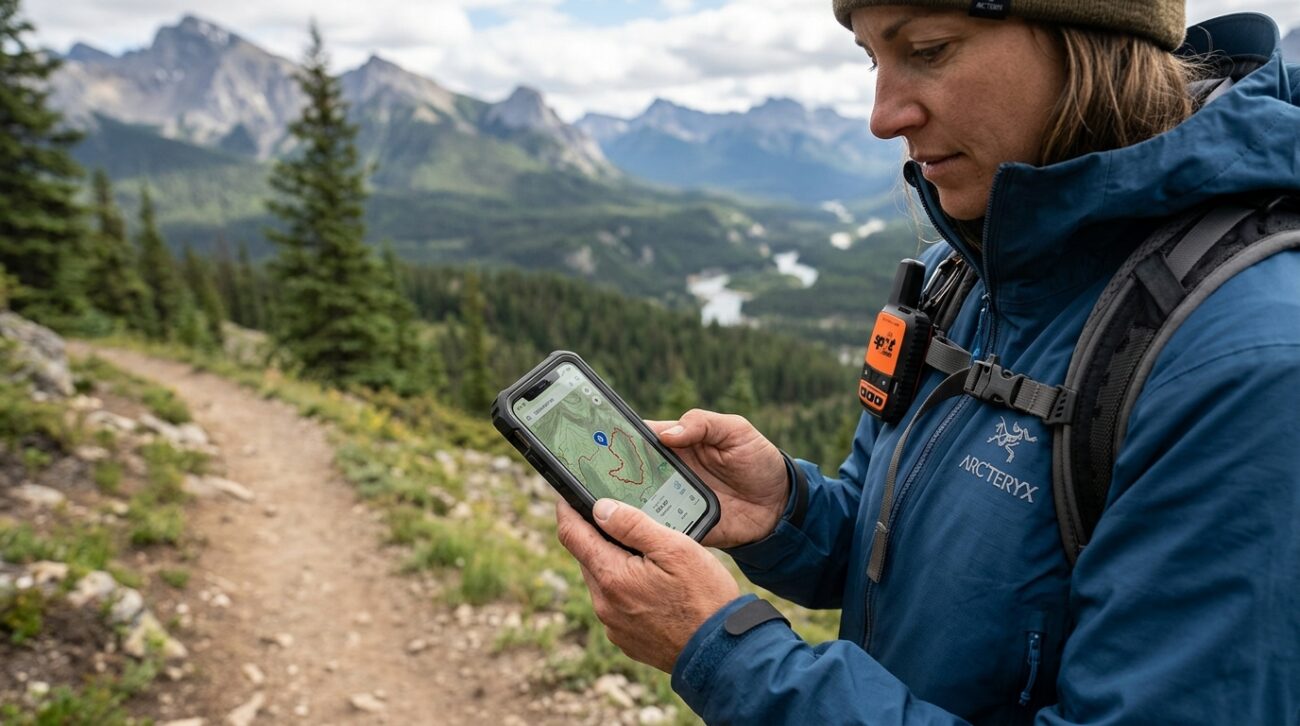
In today’s connected world, tracking technology plays an important role in both personal and professional life. Whether it is monitoring a vehicle, locating valuable equipment, tracking fitness activities, or improving security, modern tracking systems help people stay informed and in control. One term that is becoming increasingly associated with these technologies is tracqueur.
A tracqueur is generally understood as a tracking solution that helps monitor the location, movement, or activity of people, vehicles, assets, or devices. As digital technologies continue to evolve, tracqueur systems are becoming more accurate, reliable, and accessible than ever before.
The growing demand for smart tracking systems has transformed the way businesses manage operations and how individuals protect their belongings and loved ones. From GPS tracking devices to mobile tracking applications, tracqueur technology is now part of many everyday activities.
This article explores what tracqueur means, how it works, its key components, common applications, benefits, limitations, and future developments. By the end, readers will have a clear understanding of how tracqueur technology is shaping modern tracking and monitoring solutions.
Understanding Tracqueur and Its Core Purpose
At its core, a tracqueur is designed to provide information about the location, movement, or status of a specific object, vehicle, or individual. The primary goal is to make tracking easier, more efficient, and more accurate.
The concept behind tracqueur technology is simple. A tracking device collects information and sends it to a monitoring platform where users can view real-time updates. Depending on the type of system, this information may include location data, movement history, speed, activity patterns, or environmental conditions.
Businesses often use tracqueur systems to manage fleets, monitor equipment, and improve logistics. Individuals may use them to protect vehicles, track personal belongings, or ensure the safety of family members.
As tracking needs continue to grow, tracqueur technology has evolved from basic location monitoring into advanced systems that support real-time decision-making and operational efficiency.
How Tracqueur Works Behind the Scenes?
Although tracqueur technology may appear complex, its basic operation follows a straightforward process. First, a tracking device gathers information using technologies such as GPS, wireless communication, sensors, or mobile networks.
The collected information is then transmitted to a central platform or tracking software. Users can access this platform through a computer, smartphone, or web application. The system processes the incoming data and displays useful insights such as location, routes, movement history, and activity status.
Many modern tracqueur systems support real-time tracking, meaning updates are delivered almost instantly. This allows users to monitor vehicles, assets, or individuals without significant delays.
Advanced solutions may also use location intelligence and tracking analytics to identify patterns, improve efficiency, and support informed decision-making. This combination of hardware and software creates a complete tracking ecosystem that can be adapted to different needs.
Key Components of a Tracqueur System
A tracqueur system typically consists of several important components working together.
The tracking device is responsible for collecting location or activity data. Depending on the application, this device may be installed in a vehicle, attached to equipment, carried by a person, or integrated into a wearable product.
Communication networks allow information to travel from the device to the monitoring platform. These networks may use cellular connections, Wi-Fi, Bluetooth, or other wireless technologies.
Tracking software acts as the control center of the system. It processes incoming information and presents it in a user-friendly format. Users can often view maps, receive alerts, generate reports, and analyze tracking data through the software interface.
Sensors and connected devices further enhance functionality by collecting additional information such as speed, temperature, movement, battery status, or environmental conditions.
Together, these components create a complete tracqueur solution capable of delivering accurate and reliable monitoring.
Major Types of Tracqueur Applications
The flexibility of tracqueur technology allows it to be used across many industries and personal situations.
Vehicle Tracking Systems and Fleet Management
Vehicle tracking is one of the most common uses of tracqueur technology. Businesses use tracking systems to monitor company vehicles, optimize routes, reduce fuel consumption, and improve operational efficiency.
Fleet managers can view vehicle locations in real time, monitor driver behavior, and receive alerts about unusual activity. These capabilities help organizations improve productivity and maintain better control over transportation operations.
Asset Tracking and Equipment Monitoring
Many businesses rely on tracqueur systems to monitor valuable assets and equipment. Construction companies, warehouses, and logistics providers often use tracking devices to prevent loss and improve asset utilization.
By knowing where equipment is located at all times, organizations can reduce downtime and improve resource management.
Personal GPS Tracking Solutions
Personal tracking solutions provide an additional layer of safety and convenience. Individuals may use tracqueur devices to monitor family members, elderly relatives, or personal belongings.
These systems can help users quickly locate lost items or stay informed about the location of loved ones when appropriate and with proper consent.
Mobile and Smartphone Tracking Applications
Mobile tracking applications have become increasingly popular because smartphones already contain many of the technologies needed for tracking.
A tracqueur mobile app can provide location sharing, route history, activity monitoring, and other useful features directly from a user’s device. This makes tracking more accessible without requiring dedicated hardware in many situations.
Tracqueur in GPS and Location Tracking
GPS technology is a fundamental part of many tracqueur systems. GPS satellites help determine the precise location of a tracking device, allowing users to monitor movements in real time.
Location tracking can be useful for navigation, logistics, security, and personal safety. Modern tracqueur solutions often combine GPS data with additional technologies to improve reliability and accuracy.
Features such as route tracking, geolocation monitoring, and location history provide users with valuable information about movement patterns. As GPS technology continues to improve, tracqueur systems are becoming more precise and responsive.
Mobile Tracking Features and Digital Monitoring
Modern tracqueur solutions extend beyond traditional GPS tracking. Many systems now include mobile tracking features that support digital monitoring and activity management.
Users can access location updates through mobile applications, receive notifications, and monitor activities remotely. Family location sharing has become a common feature that helps family members stay connected and informed.
Some systems also provide app usage tracking, device management tools, and digital activity monitoring. These features allow users to gain greater visibility into how devices are being used while maintaining appropriate privacy protections.
As smartphones become more advanced, mobile-based tracqueur solutions continue to expand their capabilities.
Security Benefits of Tracqueur Technology
Security remains one of the primary reasons people invest in tracqueur systems. The ability to monitor assets, vehicles, and individuals can help reduce risks and improve protection.
Vehicle security trackers can help owners locate stolen vehicles and assist recovery efforts. Businesses can use tracking systems to protect valuable equipment and reduce losses.
Personal safety tracking solutions provide additional reassurance for families, caregivers, and organizations responsible for vulnerable individuals.
Many modern tracqueur platforms also include security-focused features such as alerts, geofencing, and activity notifications. These tools help users respond quickly when unusual events occur.
When combined with responsible data management practices, tracqueur technology can provide significant security advantages while maintaining user privacy.
Tracqueur in Wearable and Fitness Tracking
Wearable technology has introduced new possibilities for tracqueur systems. Fitness trackers, smartwatches, and health monitoring devices now include tracking capabilities that support both wellness and safety.
Users can monitor daily activity levels, track exercise performance, and review movement patterns. Some wearable devices also include location tracking features that can be useful during outdoor activities or emergency situations.
Fitness monitoring systems help users understand their habits and make informed decisions about health and exercise. As wearable technology continues to evolve, tracqueur functionality is becoming an increasingly important feature in these devices.
Benefits of Using a Tracqueur System
The advantages of tracqueur technology extend across many different applications.
One major benefit is improved visibility. Users gain access to real-time information that helps them understand where assets, vehicles, or individuals are located.
Another important advantage is enhanced security. Tracking systems can help prevent theft, support recovery efforts, and provide greater peace of mind.
Operational efficiency also improves when organizations have accurate tracking information. Better route planning, resource allocation, and asset management can lead to significant cost savings.
In addition, real-time monitoring enables faster decision-making. Whether responding to an emergency or managing daily operations, timely information often leads to better outcomes.
Comparing Tracqueur With Traditional GPS Tracking
Although tracqueur systems often rely on GPS technology, they are not always the same thing. Traditional GPS tracking primarily focuses on determining location.
A modern tracqueur solution usually includes additional features such as analytics, alerts, reporting tools, activity monitoring, and software integration.
GPS tracking serves as a foundational technology, while tracqueur systems often represent a broader tracking ecosystem designed to provide more comprehensive insights.
For many users, the choice depends on specific needs. Basic GPS tracking may be sufficient for simple location monitoring, while advanced tracqueur solutions offer greater functionality and flexibility.
Factors That Influence Tracqueur Performance
Several factors affect how well a tracqueur system performs.
Tracking accuracy depends on signal quality, satellite visibility, and environmental conditions. Dense urban areas, tunnels, or remote locations may sometimes reduce tracking precision.
The quality of the device itself also plays an important role. Well-designed hardware typically delivers better reliability and performance.
Network connectivity affects how quickly information can be transmitted and displayed. Strong communication networks generally support more responsive real-time tracking.
Regular maintenance, software updates, and proper installation also contribute to consistent system performance.
Common Challenges and Limitations
Despite its many benefits, tracqueur technology is not without challenges.
Privacy concerns are often discussed because tracking systems collect location and activity data. Responsible use and transparent policies are important for maintaining trust.
Battery life can also be a limitation for portable tracking devices. Frequent charging may be required depending on usage patterns.
Connectivity issues can affect performance in areas with weak network coverage. In some cases, tracking updates may be delayed until a connection is restored.
Cost may also be a consideration for businesses implementing large-scale tracking solutions. However, many organizations find that the benefits outweigh the investment.
Future Trends in Tracqueur Technology
The future of tracqueur technology looks promising. Artificial intelligence is expected to enhance tracking analytics and improve predictive capabilities.
Location intelligence tools will become more sophisticated, allowing organizations to gain deeper insights from tracking data. Connected devices and IoT tracking systems will continue to expand, creating smarter and more integrated monitoring solutions.
Improved wireless technologies will support faster and more reliable communication. At the same time, advances in battery efficiency and hardware design will make tracking devices more practical and durable.
As innovation continues, tracqueur systems will likely become even more valuable across transportation, logistics, security, healthcare, and personal applications.
Conclusion
Tracqueur technology has become an important part of modern tracking and monitoring systems. By combining devices, software, communication networks, and location technologies, a tracqueur solution provides valuable information that supports security, efficiency, and informed decision-making.
From vehicle tracking and asset monitoring to mobile applications and wearable devices, tracqueur systems serve a wide range of personal and business needs. Their ability to deliver real-time insights makes them increasingly valuable in a world that depends on accurate information and constant connectivity.
As tracking technology continues to evolve, tracqueur solutions will play an even greater role in helping individuals and organizations stay informed, protected, and connected. The future of smart tracking technology is bright, and tracqueur systems are expected to remain at the center of this ongoing transformation.
FAQs
What Is Tracqueur?
Tracqueur refers to a tracking system or solution used to monitor locations, movements, activities, or assets through digital technologies.
How Does Tracqueur Work?
It collects information through tracking devices and transmits that data to software platforms where users can monitor and analyze it.
Is Tracqueur a GPS Tracker?
Not necessarily. GPS tracking is often part of a tracqueur system, but many solutions include additional monitoring and analytics features.
What Are the Benefits of Tracqueur?
Benefits include improved visibility, better security, increased efficiency, real-time monitoring, and enhanced decision-making.
How Accurate Is Tracqueur Tracking?
Accuracy depends on device quality, GPS signals, network coverage, and environmental conditions.
Is Tracqueur Safe to Use?
When used responsibly and with appropriate privacy protections, tracqueur technology is generally safe and effective.
Can Tracqueur Track Vehicles?
Yes. Vehicle tracking is one of the most common applications of tracqueur systems.
Can Tracqueur Track Mobile Phones?
Many tracqueur solutions include mobile tracking capabilities through smartphone applications and location services.
What Is the Difference Between Tracqueur and GPS Tracking?
GPS tracking focuses on location data, while tracqueur systems often include broader monitoring, reporting, and analytics features.
Which Tracqueur Device Is Best?
The best device depends on the intended use, required features, budget, and performance expectations.
